A veteran strategist has highlighted how China is emerging as a major beneficiary of the ongoing Iranian war (the U.S.-Israeli military campaign against Iran that began in late February 2026), positioning Beijing to gain long-term strategic advantages even as the conflict devastates Tehran and disrupts global energy markets.
In a widely circulated market analysis published March 2026, David Rosenberg—a respected veteran economist and strategist known for his independent market bulletins—argued that China is “coming out on top” of the Iranian war due to its calculated restraint, diversified energy strategy, and ability to exploit the U.S.’s overextension in the Middle East.
Key Points from the Strategist’s Analysis
Rosenberg emphasized that while the U.S. and Israel have achieved tactical military successes (degrading Iran’s nuclear sites, missile arsenal, and leadership structure), the broader geopolitical and economic fallout is tilting in China’s favor:
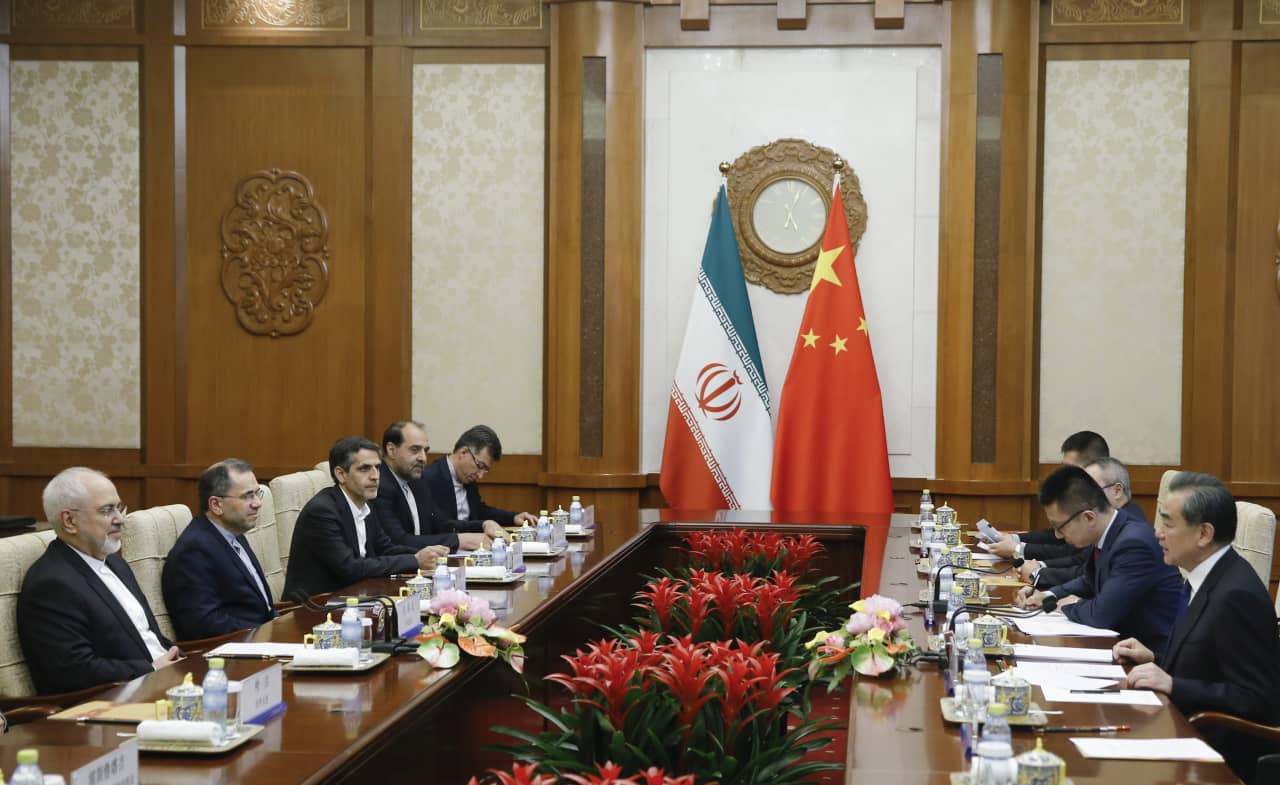
- Energy Insulation and Discounted Oil Access China has stockpiled massive strategic oil reserves (equivalent to over 100 days of imports) and maintained strong economic ties with Iran through yuan-denominated oil purchases. Even as the Strait of Hormuz faces disruptions, Beijing’s pre-war stockpiling and diversified suppliers (Russia, Saudi Arabia, Brazil) shield it from the worst price shocks. Rosenberg noted that Iran’s desperation could lock in even deeper discounts and dependence on China post-war, strengthening Beijing’s leverage over Tehran.
- U.S. Resource Drain and Distraction The U.S. is expending significant munitions, air-defense stocks, and diplomatic capital in the Middle East—resources that could otherwise be focused on the Indo-Pacific. This “quagmire effect” benefits China, allowing Beijing to advance its goals in the South China Sea, Taiwan Strait, and global influence operations with less immediate U.S. counterpressure. Rosenberg described this as a classic “long-game” win for Xi Jinping’s administration.
- Reputation Management and Global South Positioning By condemning U.S. actions diplomatically while avoiding direct military involvement, China maintains its image as a “responsible great power” advocating stability and non-intervention. This resonates in the Global South, where many nations view the U.S. strikes as regime-change aggression. Rosenberg pointed out that Beijing’s “strategic silence” avoids alienating Gulf states (key oil suppliers) while quietly increasing Iran’s post-war reliance on Chinese economic and technological support.
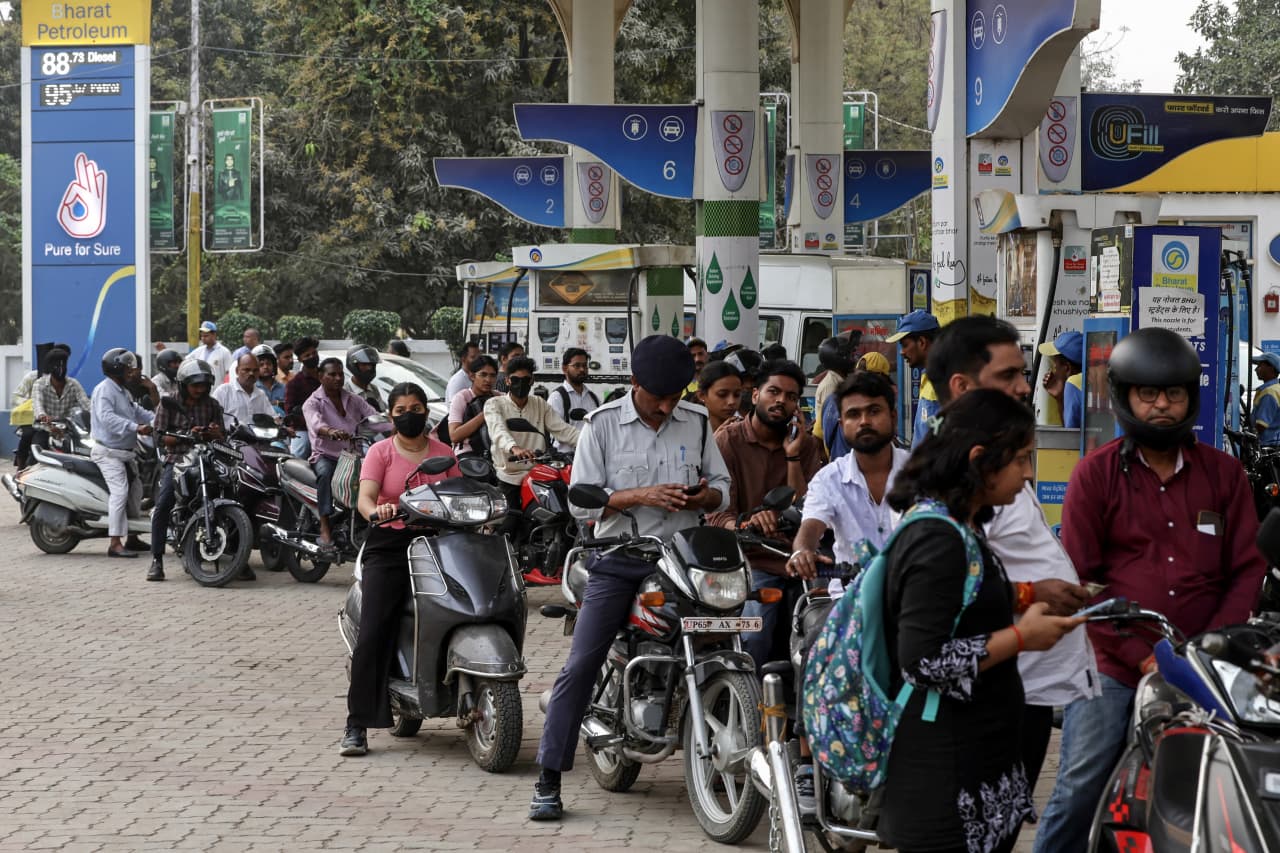
- Economic Resilience Amid Chaos While oil prices spiked to $119/barrel in early March 2026, China’s push into renewables, domestic production, and alternative suppliers has limited inflation risks compared to the U.S. and Europe. The strategist warned that prolonged conflict could trigger 1970s-style stagflation risks (with odds rising to 35% per some models), but China’s hedging positions it better to weather the storm and emerge stronger.
Broader Expert Context
Other analysts echo elements of Rosenberg’s view:
- Chatham House and World Geostrategic Insights describe China’s approach as “strategic patience” and “long-game” positioning, where a weakened Iran becomes more dependent on Beijing for reconstruction, trade, and sanctions-busting.
- The Atlantic and Diplomat note that U.S. overcommitment in the Middle East distracts from Asia-Pacific priorities, giving China breathing room.
- Some Chinese commentators (e.g., via WeChat and Peking University analysts) frame the conflict as “America loses no matter the outcome,” as it depletes U.S. resources while China watches from afar.
Implications for the U.S. and Global Order
Rosenberg concluded that while the war may achieve short-term U.S. objectives (e.g., nuclear rollback), the strategic cost is high: depleted stockpiles, higher energy prices, and a distracted superpower. This could embolden China in future flashpoints.
The analysis underscores a recurring theme in 2026 geopolitical discourse: proxy conflicts and regional wars often produce “quiet winners” who avoid direct involvement while rivals exhaust themselves. For now, China appears to be playing that role effectively.
By Mark Smith Follow us on X @realnewshubs and subscribe for push notifications
China winning Iranian war, David Rosenberg strategist Iran conflict, China benefits US Israel Iran war 2026, strategic patience China Iran, Iran war global impact China, US overextension Middle East China advantage, oil crisis Iran China position, geopolitical winner Iran war