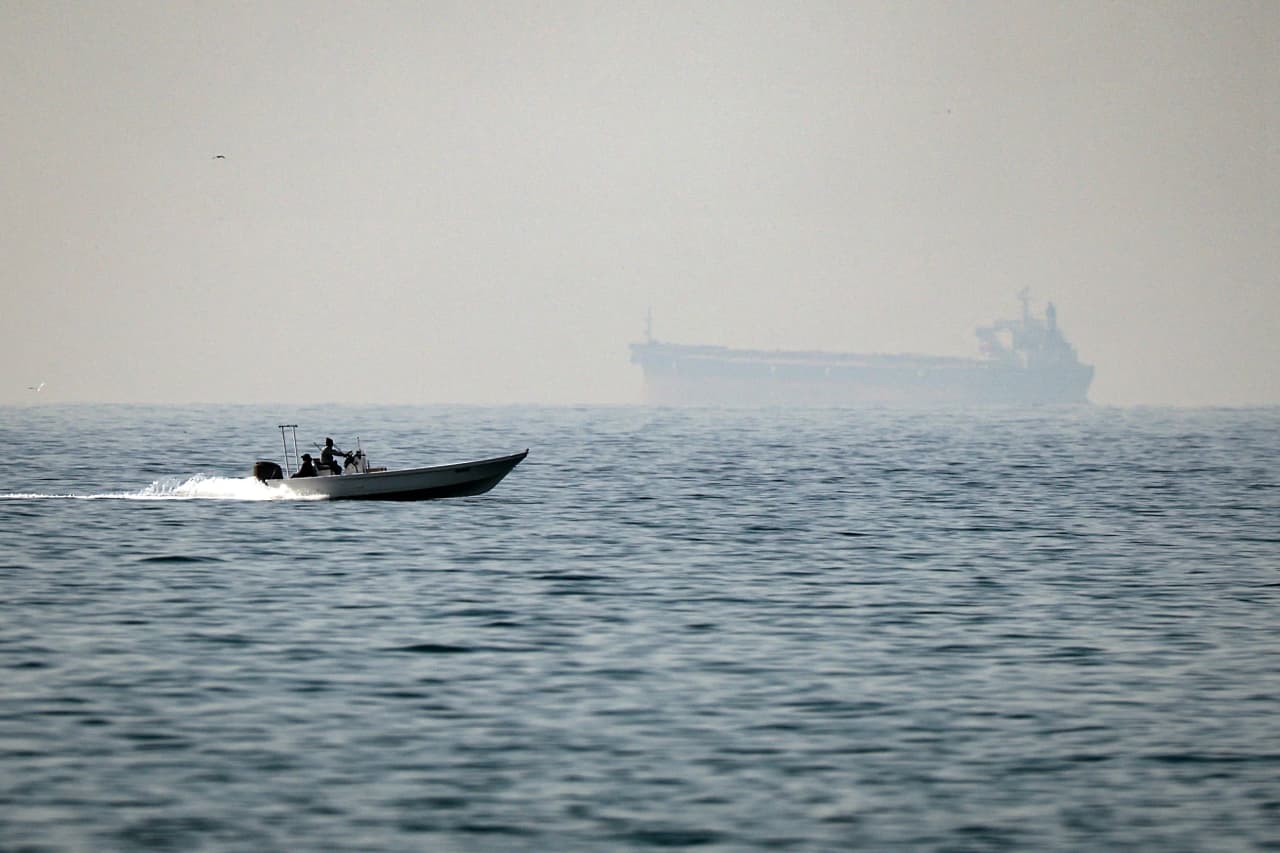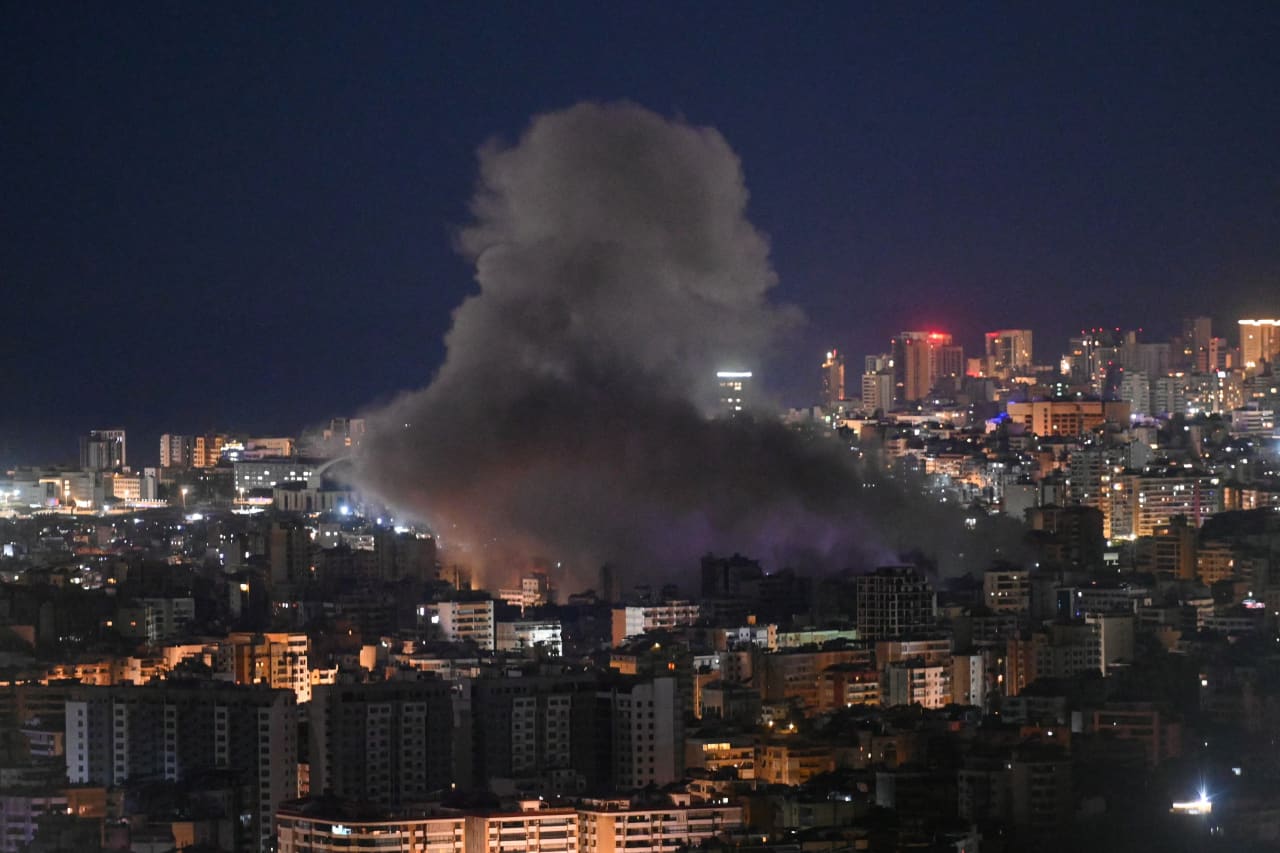
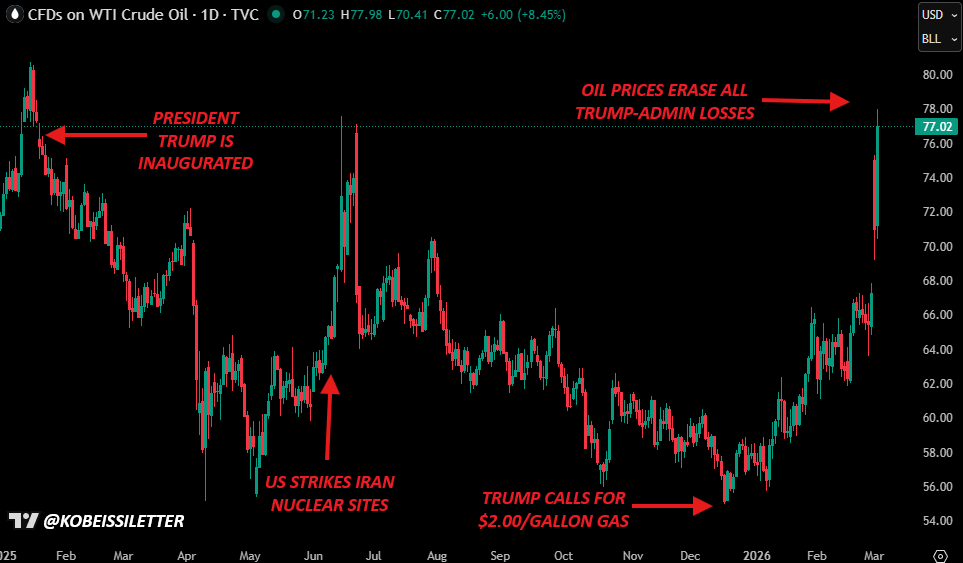
U.S. oil prices surged past $80 per barrel on March 5, 2026, after Iran’s Revolutionary Guards (IRGC) claimed a missile strike on a U.S.-linked oil tanker in the northern Persian Gulf.
The IRGC said the vessel was hit and is now on fire. A British Navy report noted a large explosion at a tanker anchored in Iraqi territorial waters (with the crew safe and no fire confirmed in that case). These claims have not been independently verified by U.S. or international sources, but they triggered immediate market panic.


Oil Price Reaction (March 5 Close)
- WTI crude (U.S. benchmark): Closed at $81.01 (+8.51% or +$6.35) — the first time above $80 in over a year and up ~21% this week.
- Brent crude (global benchmark): Settled at $85.41 (+4.93% or +$4.01).
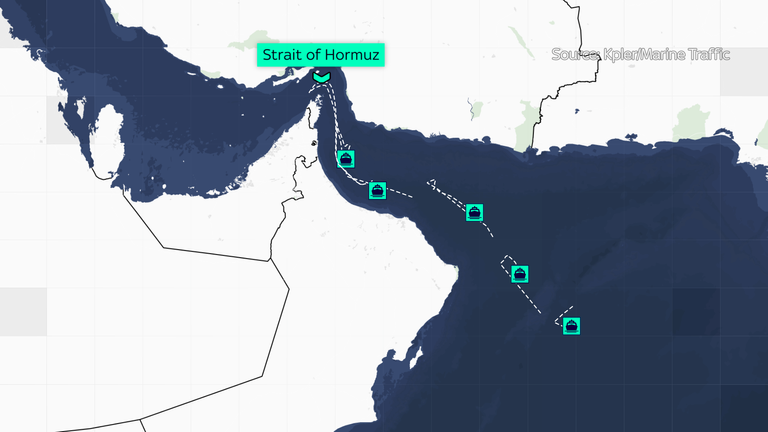
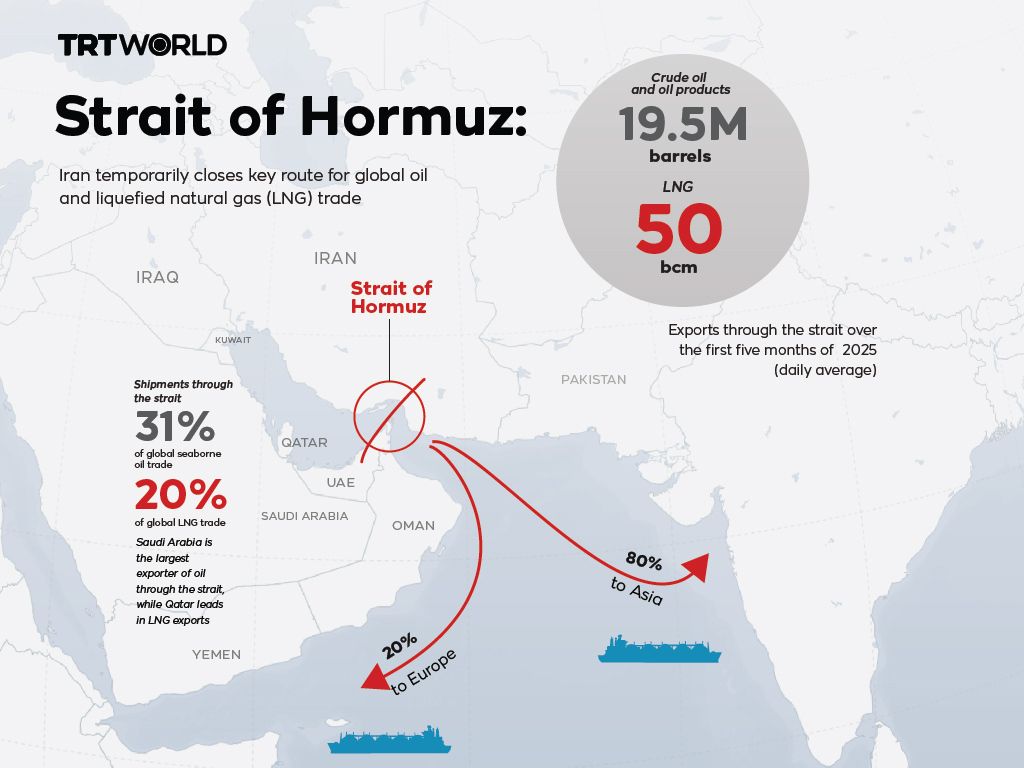
This is the sharpest single-day spike since the conflict began, driven by fears of wider disruption in the Strait of Hormuz (through which ~20% of global oil and LNG flows).

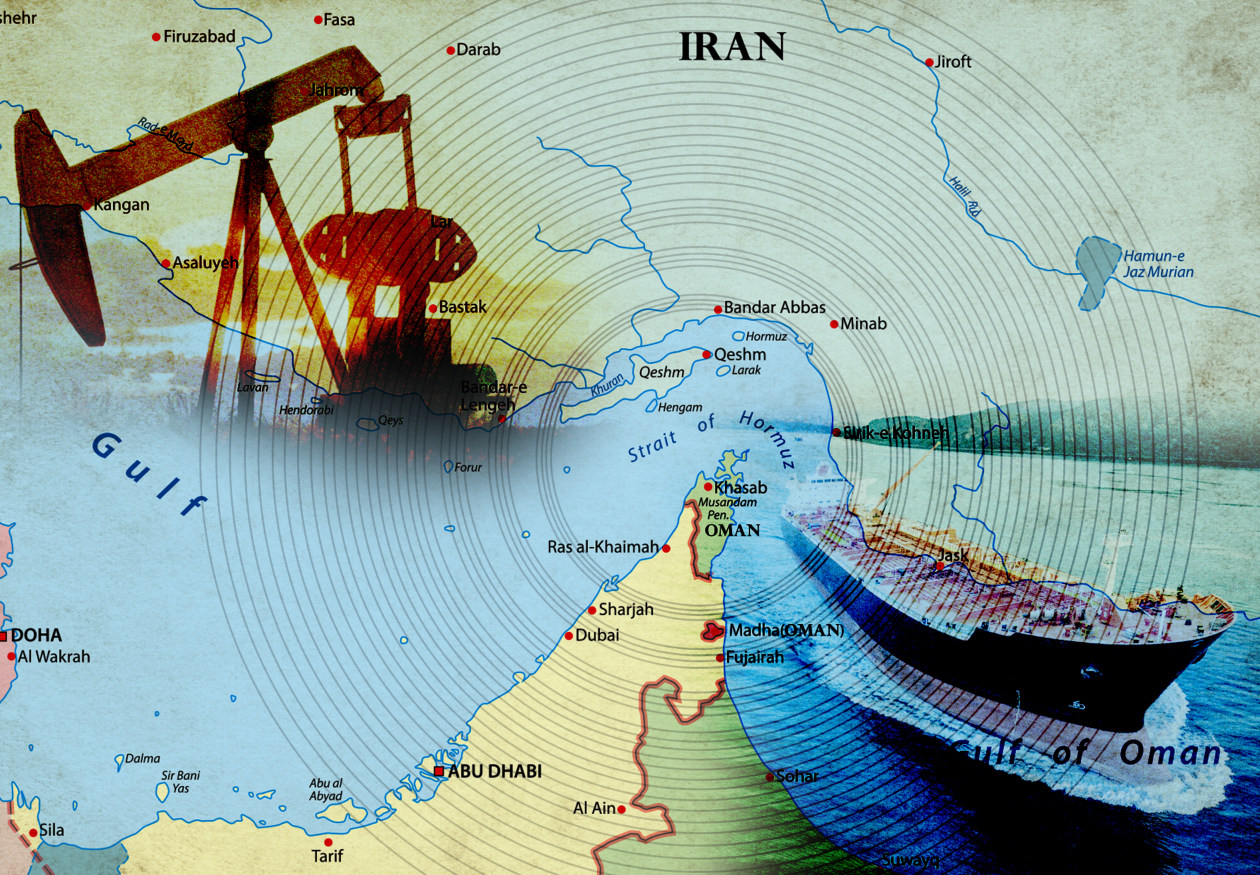
Why This Matters: The Strait of Hormuz Chokepoint
Iran has effectively halted tanker traffic there after warning it will attack any ship trying to pass. Supertanker rates from the Middle East to China hit a record $423,000+ per day. Insurers have pulled war-risk coverage, and hundreds of ships are stranded.
Broader Context
This is day 6 of the escalating U.S.-Israel vs. Iran war (following weekend strikes on Iranian targets). Earlier this week, Iran claimed attacks on multiple tankers; Saudi and Qatari facilities were also hit. President Trump has pledged U.S. Navy escorts and political-risk insurance for tankers to keep oil flowing.
Bottom line: The “reportedly” in the headline is key — Iran’s claims are unconfirmed, but markets are pricing in real supply risk. U.S. gasoline prices have already jumped ~27¢ this week to ~$3.25/gallon nationally.
This situation is fast-moving. For live updates, check CNBC, Reuters, or Bloomberg terminals. Let me know if you want forecasts for gas prices, what Trump’s escort plan means, or how this compares to past Gulf crises!