Yes, there is a recent episode of NPR’s Planet Money (and its spin-off The Indicator from Planet Money) that directly explores this question.
The Episode
- Title: “Is there a more fair way to sell World Cup tickets?”
- Published: Around mid-March 2026 (exact air date appears to be March 17, 2026, based on multiple station listings and podcast feeds).
- Hosts/Contributors: Alex Mayyasi (longtime Planet Money contributor) is the reporter and author behind the piece. It’s part of ongoing coverage of the 2026 FIFA World Cup (co-hosted by the US, Canada, and Mexico).
- Where to listen:
- NPR website: Search for the title or check the Planet Money feed.
- Podcast apps: Available on Apple Podcasts, Spotify, NPR One, etc.
- Full episode runtime is typically 20–25 minutes (Planet Money style).
What the Episode Covers
The story dives into the massive backlash over 2026 World Cup ticket prices and the current sales system, which many fans call unfair:
- Prices are significantly higher than previous World Cups (some final tickets listed at thousands of dollars on resale markets).
- FIFA uses a lottery/draw system, dynamic pricing (prices rise with demand), and limited “supporter tickets” at $60 (but only a tiny percentage, allocated via national federations to loyal fans).
- Resale is allowed (FIFA takes a cut), leading to scalping and secondary-market markups.
- Complaints include: ordinary fans priced out, rich buyers or bots winning lotteries, and the sense that the tournament is becoming an elite event rather than a global celebration.
The episode examines alternative allocation methods that could be “more fair”:
- Pure lottery (equal chance for everyone, no price discrimination).
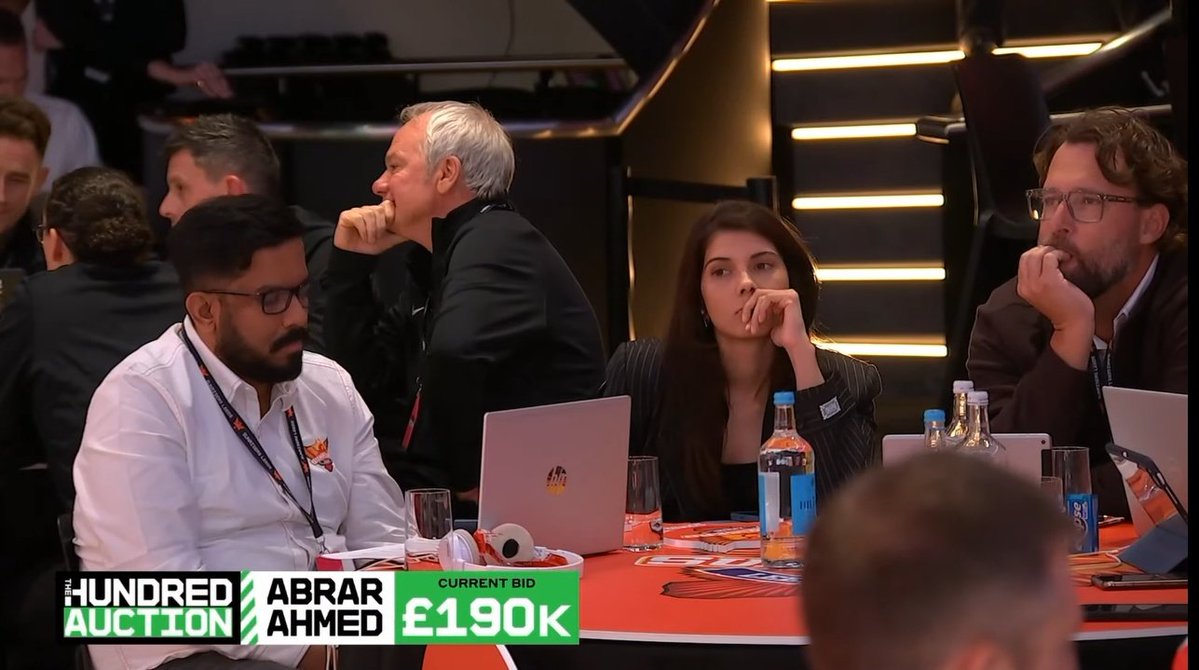
- Auction (highest bidders win, maximizes revenue but favors wealthy).
- Dynamic pricing (already in use — prices adjust based on demand).
- Fan-first models (e.g., priority for verified supporters of qualifying teams, loyalty points, or community-based allocation).
- Economic theory angle — why simple first-come-first-served or fixed low prices often lead to long queues, bots, or scalping, while market-based systems (like concerts or sports) capture value but exclude many.
It likely draws on real-world examples (e.g., Kid Rock’s anti-scalper efforts from a classic Planet Money episode, or how U.S. sports leagues handle tickets) and interviews with economists, FIFA officials, fans, and ticketing experts.
Why This Matters Now
The 2026 World Cup tickets have been a hot topic since late 2025, with:
- Over 150 million requests in early sales windows.
- Complaints about high costs, resale profiteering, and FIFA’s 30% cut on resales.
- FIFA’s defense: Record demand justifies the pricing, and revenue funds global soccer development.
If you’re frustrated with the current system or just curious about the economics of mega-events, this episode breaks it down in classic Planet Money style — clear, fun, and full of surprising insights.
You can stream it right now on the NPR site or your favorite podcast app by searching “Planet Money World Cup tickets” or the exact title.
Have you listened to it yet, or are you looking for specific takeaways/economics explained in it? Let me know! 🚀