Skoda Volkswagen India Plans Greater Collaboration With Local Suppliers for Product Development
Skoda Auto Volkswagen India Private Limited (SAVWIPL) is set to deepen its partnership with local suppliers as part of a broader strategy to accelerate product development, improve cost competitiveness, and strengthen the “Make in India” ecosystem for its growing lineup of vehicles in the country.
The announcement comes at a time when the Indian automotive market is witnessing intense competition in the mid-size SUV and electric vehicle segments, with both Skoda and Volkswagen aiming to launch multiple new models over the next 3–4 years under the India 2.0 project and the upcoming MQB A0 IN platform derivatives.
Strategic Shift Toward Deeper Localization
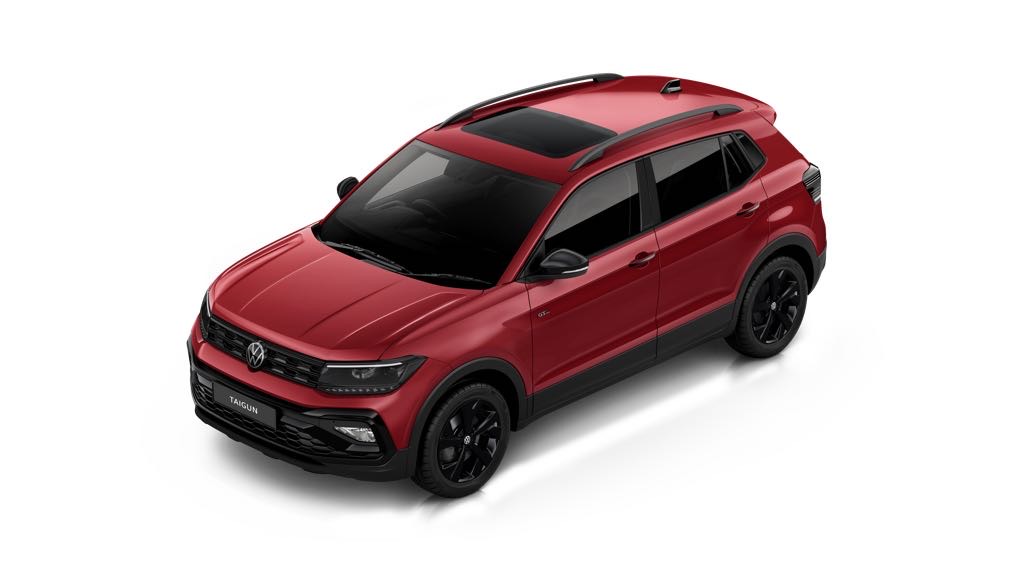
In a recent interaction with industry stakeholders and media in early March 2026, senior SAVWIPL executives confirmed that the company is actively working on increasing the localization content of upcoming models beyond the current 50–60% levels achieved in vehicles like the Kushaq, Slavia, Taigun, and Virtus.
Key focus areas for greater collaboration include:
- Component co-development — Joint engineering and design work with Tier-1 and Tier-2 suppliers for critical aggregates such as suspension systems, interiors, electronics, and ADAS-related hardware.
- Advanced materials and lightweighting — Partnering with local firms to develop high-strength steel, aluminum components, and composite materials suitable for next-generation ICE and EV platforms.
- Electrification ecosystem — Early-stage tie-ups for battery management systems, charging infrastructure components, and electric motor sub-assemblies to support the planned Skoda Enyaq and Volkswagen ID. family rollout in India.
- Software and electronics — Collaboration on domain controllers, infotainment HMI, and over-the-air (OTA) update capabilities, aligning with global Volkswagen Group’s software-defined vehicle (SDV) roadmap.
Petr Janeba, Brand Director – Skoda Auto India, emphasized that “stronger supplier integration from the concept stage” will help reduce lead times, lower costs, and ensure faster adaptation to Indian customer preferences and regulatory requirements (such as upcoming BS-VII emission norms and AIS-156 battery safety standards).
Why This Matters for India Operations
The move is seen as a direct response to several market realities:
- Rising input costs and currency volatility have squeezed margins in the price-sensitive Indian market.
- Competitors like Hyundai, Maruti Suzuki, Tata Motors, and Mahindra are aggressively localizing critical components and forming long-term JVs with suppliers.
- Government incentives under the PLI scheme for auto components and the upcoming EV policy push for higher local value addition.
By involving Indian suppliers earlier in the product development cycle, SAVWIPL aims to:
- Achieve 65–70%+ localization in future models
- Reduce dependency on imported parts from Europe and China
- Improve supply chain resilience amid global disruptions
- Offer more competitive pricing without compromising quality or features
Industry Reactions
Auto component manufacturers have welcomed the announcement. Vinnie Mehta, Director General of the Automotive Component Manufacturers Association of India (ACMA), noted that “deeper collaboration from the design stage will help Indian suppliers move up the value chain from ‘build-to-print’ to co-development partners.”
Analysts at ICRA and CRISIL expect this strategy to help SAVWIPL defend and grow its market share in the mid-size SUV segment (where Kushaq and Taigun compete against Hyundai Creta, Kia Seltos, and Grand Vitara) while preparing for the electric transition.
Timeline & Upcoming Models
- 2026–2027: Multiple updates and facelifts with enhanced local content
- 2027 onward: Next-generation Skoda and Volkswagen SUVs and sedans on the MQB A0 IN platform, expected to feature significantly higher Indian-developed components
- Long-term: Entry into the electric vehicle segment with localized battery and powertrain elements
The initiative is part of Volkswagen Group’s global “In China, for China” localization philosophy being adapted to the Indian market under the tagline “In India, for India.”
As competition heats up and EV adoption accelerates, deeper supplier collaboration is expected to become a key differentiator for global OEMs operating in India.
By Sam Michael Follow us on X @realnewshubs and subscribe for push notifications