The ongoing Iran conflict (the U.S.-Israeli military campaign against Iran that escalated in late February 2026) is increasingly viewed as an earnings event for parts of the global insurance industry, particularly specialty lines like marine war-risk, aviation, political violence, and political risk insurance.
While the war has caused widespread disruptions—spiking oil prices, trapping vessels in the Persian Gulf, grounding flights, and triggering property damage claims—many insurers and reinsurers are benefiting from sharply higher premiums in high-risk areas, even as they brace for potential losses.
Surge in War-Risk Premiums Drives Earnings Boost
The most immediate and visible impact is in marine hull and cargo war-risk insurance, especially for vessels transiting the Strait of Hormuz (through which ~20% of global oil flows). Before the conflict intensified, typical hull war-risk premiums were around 0.25% of a vessel’s insured value (e.g., ~$625,000 for a $250 million tanker per voyage). As attacks widened and insurers issued cancellation notices (via the International Group of P&I Clubs and Lloyd’s syndicates), premiums have surged dramatically:
- Rates jumped to 1–3% (or higher) of hull value in some cases—meaning $2.5–7.5 million per voyage for a mid-sized tanker.
- Some brokers reported increases of 500–1,000%+ for Gulf transits.
- Lloyd’s of London and other markets continue to offer cover on a voyage-by-voyage basis, but at significantly repriced terms, often renewable every 7–30 days.
This repricing has created a short-term earnings windfall for war-risk underwriters, particularly in the London market (Lloyd’s syndicates) and specialist reinsurers. Analysts note that while capacity has tightened and some policies were canceled outright (e.g., 72-hour notices from major P&I clubs like Gard, Skuld, and NorthStandard), the remaining business commands much higher rates, boosting profitability in these niche lines.
Specialty Lines See Tail Risk but Premium Gains
Moody’s Ratings and S&P Global Ratings have highlighted that specialty insurers (marine, aviation, energy, political violence) face elevated tail risks from correlated claims across multiple classes—e.g., physical damage to tankers, business interruption from flight cancellations, trade credit losses from disrupted supply chains, and political risk claims from asset seizures. However:
- Large, diversified carriers are expected to absorb losses due to strict exposure management, reinsurance protection, and aggregate limits.
- War-risk exclusions in standard policies (e.g., property, trade credit) limit broad exposure, while specialty war covers are repriced aggressively.
- Reinsurers may tighten capacity in upcoming renewals, but current hardening in Gulf-related lines supports near-term earnings.
Fitch Ratings echoed this, stating that “the earnings impact for insurers will be manageable at current rating levels, as war risk is generally excluded, apart from for some specialty lines where premiums have surged.”
Broader Market Dynamics
- Aviation: War-risk cover remains available but with higher costs; revenue losses from cancellations often fall outside coverage.
- Political Violence & Political Risk: Potential for accumulation of claims on private assets in the region, though underwriting discipline helps contain losses.
- Trade Credit & Supply Chain: Escalation could pressure renewals, but short-term impact is limited.
- Overall Sector: While some analysts warn of systemic shocks if the conflict prolongs (e.g., stagflation risks, investment portfolio hits), the consensus is that specialty lines are seeing a “hardening” event that offsets or exceeds claims in the near term.
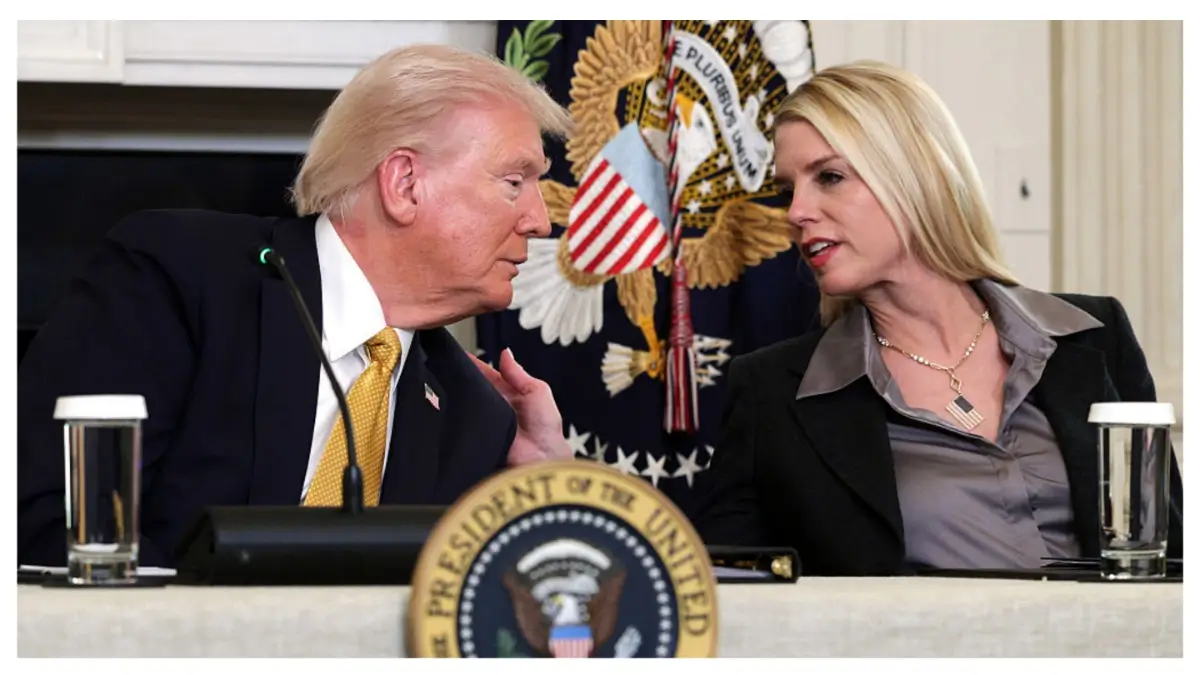
The conflict has also prompted unusual U.S. government intervention—President Trump announced plans for the U.S. International Development Finance Corporation to provide political risk insurance and guarantees for Gulf shipping, potentially easing premiums and encouraging transits.
In summary, while the war poses real risks and could turn negative if it escalates dramatically, many in the specialty insurance space are treating it as a classic earnings event—a geopolitical shock that drives premium spikes in exposed lines, rewarding disciplined underwriters who can capture the repricing upside without excessive accumulation.
By Sam Michael Follow us on X @realnewshubs and subscribe for push notifications