Higher Oil Prices Will Push U.S. Inflation Rate to 3% This Year, El-Erian Says
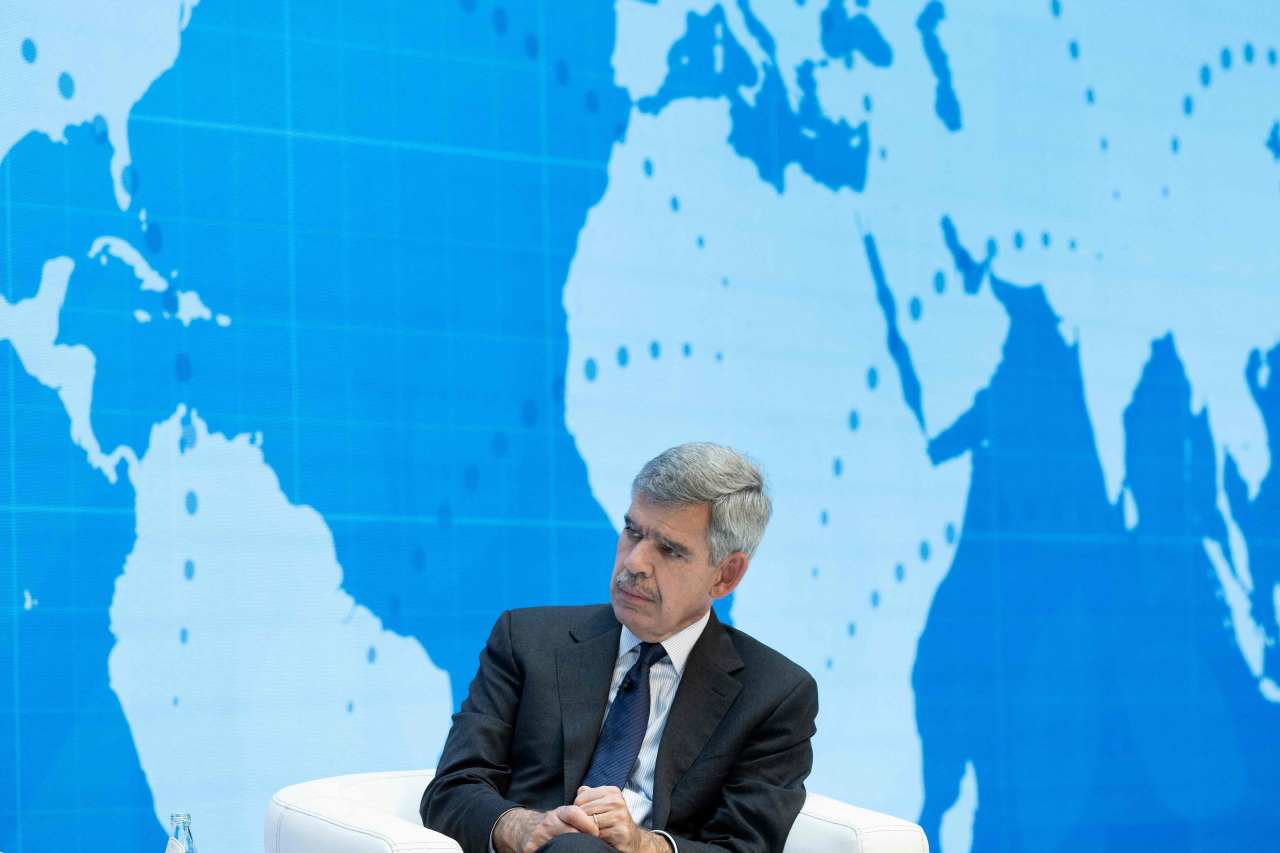
Renowned economist Mohamed El-Erian warned that surging oil prices amid the ongoing U.S.-led conflict with Iran will drive the U.S. inflation rate to average around 3% in 2026, up from last year’s 2.6% average and well above the Federal Reserve’s 2% target.
In a CNBC interview on Monday (March 9, 2026), El-Erian, chief economic advisor at Allianz, attributed the upward pressure directly to recent sharp increases in crude oil prices. Brent crude and WTI have seen massive weekly gains—Brent posting its second-largest weekly jump on record and WTI its largest—pushing prices significantly higher amid supply disruptions from Middle East tensions. He noted that these energy shocks are complicating the disinflation path the U.S. economy had been on.
El-Erian emphasized that the impact depends on the conflict’s duration and spread. A short, contained flare-up might cause a temporary spike in headline inflation, but a prolonged or widening war could fuel persistent inflationary pressures while also disrupting supply chains and undermining economic growth—a classic stagflation risk.
The economist highlighted limited policy flexibility for the Fed, as inflation has lingered above 2% for years (with January readings at 2.4%). Higher energy costs reduce room for aggressive rate cuts, potentially keeping borrowing costs elevated and pressuring households and businesses.
This forecast aligns with broader market reactions: Government bond yields have risen across advanced economies as inflation concerns dominate, and the dollar has strengthened. El-Erian has also commented on social media and LinkedIn about oil’s rapid climb (up ~20% in a recent week) and its implications for central bank decisions.
For American consumers, the effects are already visible—U.S. gasoline prices have topped $3 per gallon in many areas, with some reports showing averages nearing $3.45, adding to everyday costs for commuting, goods transport, and heating. This comes at a time when core inflation components have shown softening in places, but energy volatility overrides those gains in headline figures.
El-Erian’s view contrasts with some more optimistic takes (e.g., certain analysts suggesting high oil could eventually trigger demand destruction and crash inflation later in the year), but he sees the near-term trajectory as inflationary and growth-dampening.
Here are some relevant images from coverage, including charts of recent oil price surges, El-Erian’s CNBC appearance, and inflation trend visuals:
The warning underscores how geopolitical events in the Middle East continue to ripple through U.S. economic indicators, with oil serving as a key transmission channel for inflation pressures in 2026. Follow economic developments closely as the conflict evolves and new data releases (like upcoming CPI reports) provide further clarity. If you’d like analysis on potential Fed responses or impacts on specific sectors, let me know!