The Forgotten Protest: Georgians Mark 400 Days of Unbroken Avenue Demonstrations in Tbilisi
Georgia protests 400 days, Tbilisi Rustaveli Avenue, pro-EU demonstrations, Georgian Dream authorities, ongoing political disaster – these phrases seize a exceptional story of endurance that is largely pale from world headlines.
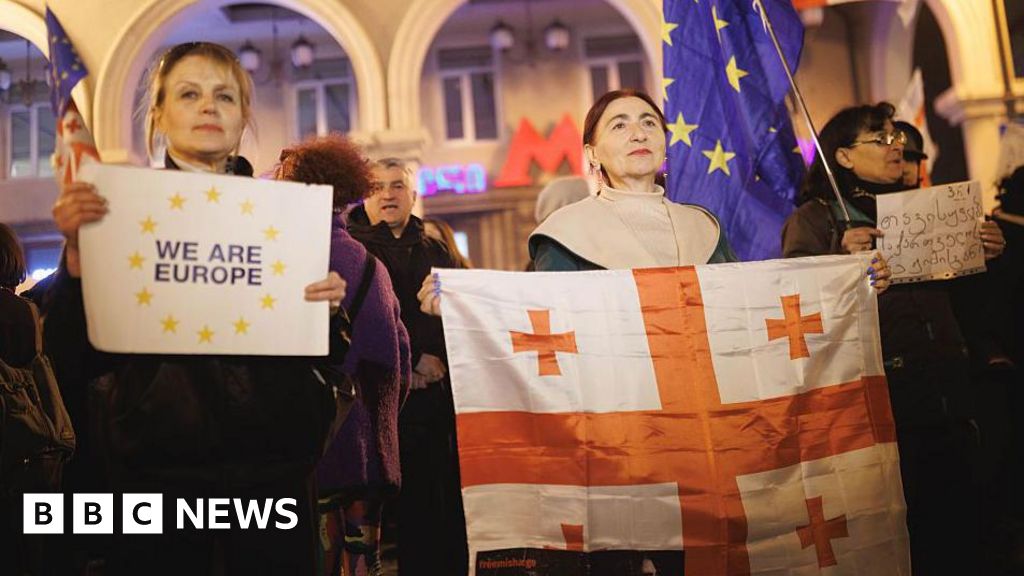
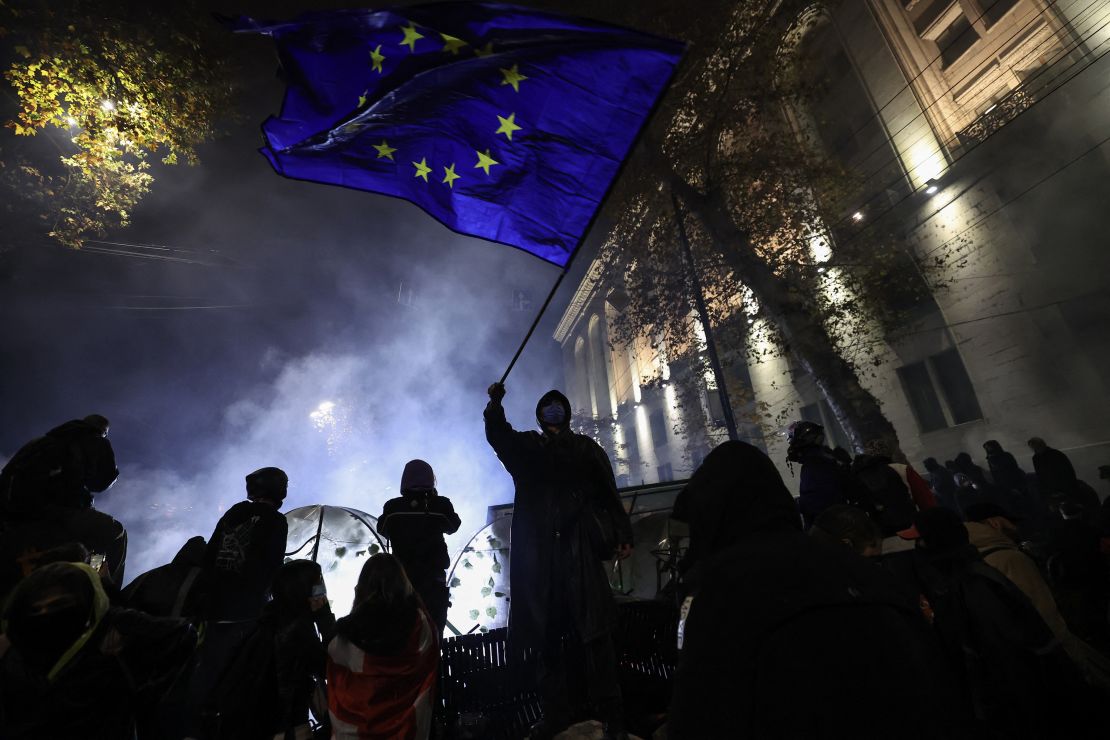
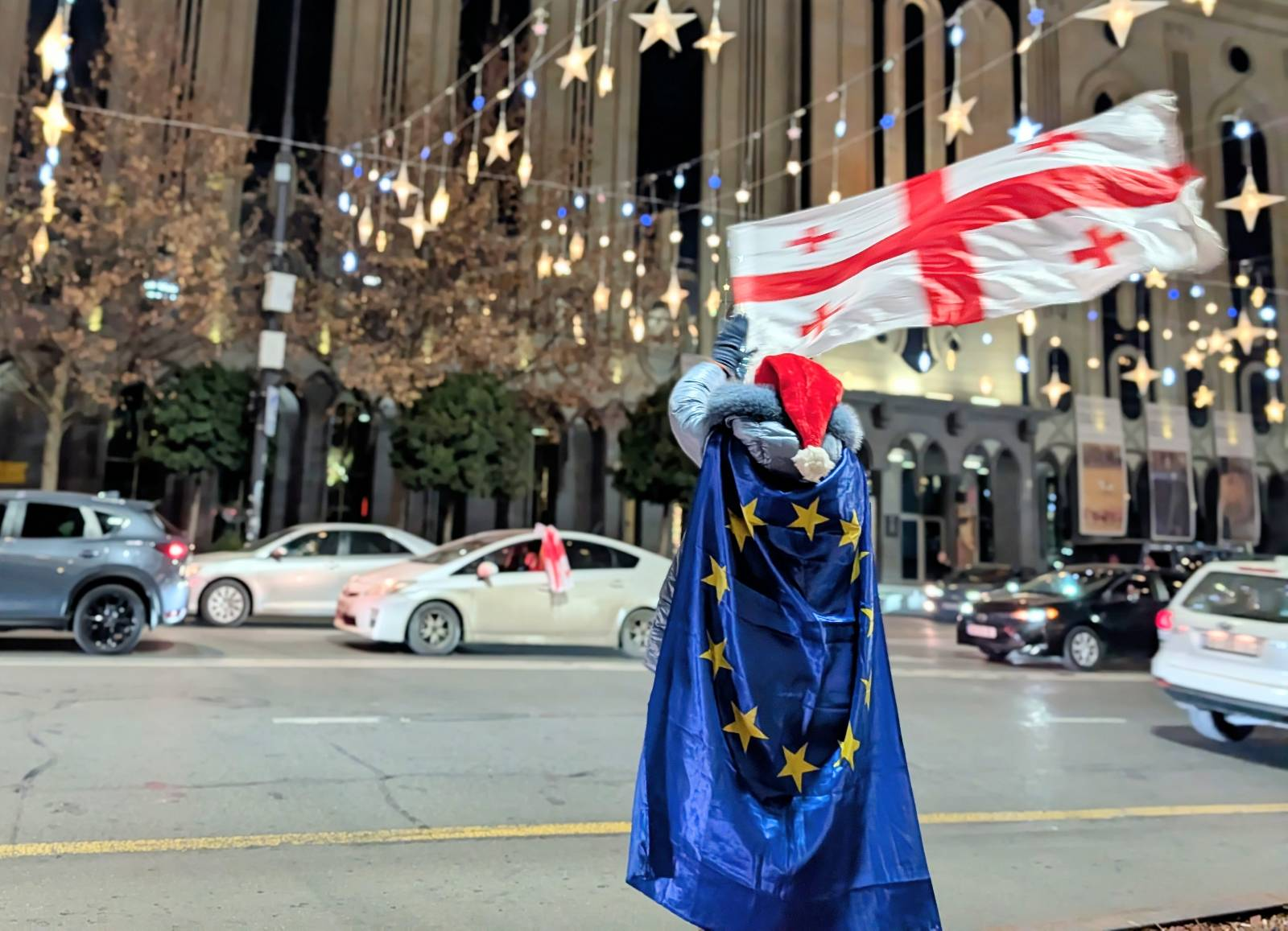
As 2026 begins, protesters in Georgia (the nation) proceed their day by day gatherings on Tbilisi’s Rustaveli Avenue, marking over 400 consecutive days of resistance towards the ruling Georgian Dream get together’s insurance policies.
The motion traces again to November 28, 2024, when Prime Minister Irakli Kobakhidze introduced the suspension of EU accession talks till 2028 – a surprising reversal for a nation the place over 80% of residents assist European integration. What began as large rallies shortly advanced into nightly protests demanding new elections, the discharge of political prisoners, and a return to the pro-Western path.
Regardless of harsh winters, police crackdowns, and repressive legal guidelines, the demonstrations have endured with out interruption. On New 12 months’s Eve 2025, tons of gathered within the snow on Rustaveli Avenue, singing nationwide songs and chanting “Sakartvelo” (Georgia), welcoming 2026 with requires victory. Former President Salome Zourabichvili, a key symbolic determine for the opposition, joined them, highlighting the motion’s resilience.
Human rights teams like Human Rights Watch have documented extreme power, mass arrests (hundreds sanctioned), prolonged detentions, and legal guidelines criminalizing peaceable meeting – together with steep fines and jail time for road-blocking or “petty hooliganism.” Protesters tailored by marching on sidewalks and smaller streets, however turnout has dwindled from tens of hundreds to tons of amid fatigue and repression.
Specialists describe it because the longest steady protest in trendy Georgian historical past, rooted in fears of authoritarian drift and Russian affect underneath billionaire founder Bidzina Ivanishvili. The federal government dismisses demonstrators as foreign-funded extremists, whereas the EU and US have imposed sanctions on officers and criticized the backsliding.
Public reactions stay polarized: Many Georgians admire the persistence however really feel exhausted, with financial progress contrasting political pressure. Youthful activists vow to proceed, seeing it as a combat for sovereignty and democracy.
For U.S. readers, this echoes broader geopolitical shifts – Georgia’s pivot impacts Black Sea safety, vitality routes, and Russia’s sphere of affect. As a aspiring NATO/EU member with U.S. navy ties, stalled reforms elevate questions on Western assist amid world distractions like Ukraine.
Although overshadowed by bigger conflicts, this “forgotten” protest symbolizes quiet defiance. As one demonstrator put it: “400 days on the streets, and the countdown to the following stage of the battle has begun.”
Georgia protests 400 days, Tbilisi Rustaveli Avenue, pro-EU demonstrations, Georgian Dream authorities, ongoing political disaster – in a world of fleeting information cycles, Georgia’s enduring stand reminds us that some fights refuse to fade.


By Sam Michael
Observe us on X @realnewshubs and subscribe for push notifications