Yes — on March 4, 2026, a divided three-judge panel of the U.S. Court of Appeals for the 9th Circuit rejected Uber and Instacart’s attempt to block Seattle’s App-Based Worker Deactivation Rights Ordinance.
The ruling (Uber Technologies, Inc. et al. v. City of Seattle, No. 25-228) upholds the 2023 law, meaning delivery gig workers in Seattle now have stronger protections against sudden, arbitrary account deactivations.
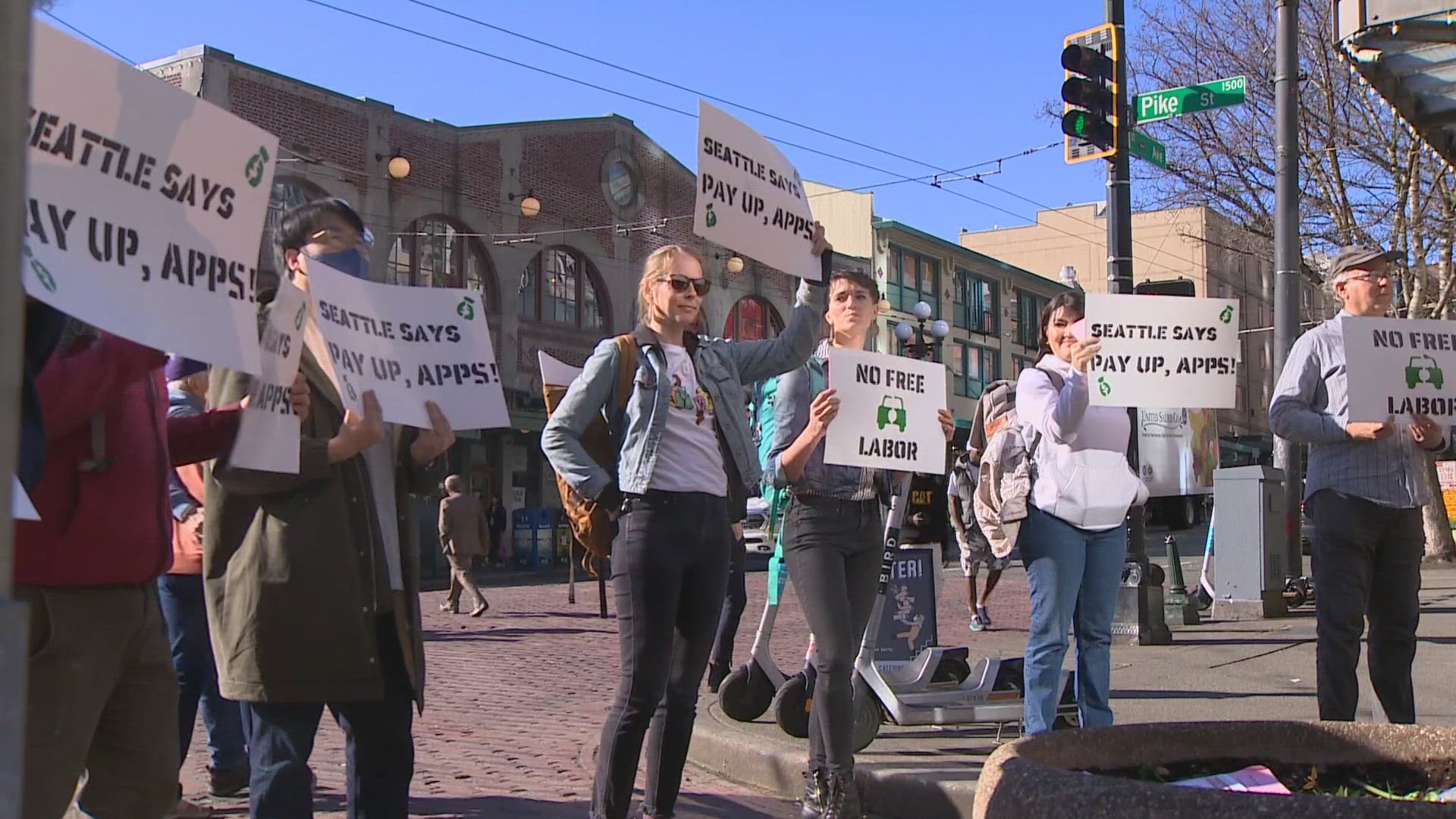
What the Seattle Ordinance Actually Does
Passed in 2023 and effective for companies with 250+ gig workers:
- Applies only to delivery apps (Uber Eats, Instacart, DoorDash, etc.) — not Uber’s ride-hailing business.
- Bans “arbitrary and unwarranted deactivations,” especially those based solely on:
- Aggregate customer ratings
- Minor background checks, traffic tickets, or consumer reports (unless “egregious misconduct”)
- Requires platforms to:
- Provide workers a written deactivation policy upfront
- Ensure any deactivation is “reasonably related” to safe and efficient operations
- Gives workers basic due-process rights before losing their income.
Seattle’s goal: Reduce the instability of gig work while keeping roads safe.

The Court’s Key Holding
Judge Richard R. Clifton (writing for the majority):
- The ordinance regulates conduct (deactivating worker accounts), not protected speech.
- The written-policy requirement is “incidental” to regulating business practices — or, even if viewed as commercial speech, it easily passes the Zauderer test (reasonably related to informing workers and public safety, not unduly burdensome).
- No vagueness problem; the standards are clear.
The panel affirmed U.S. District Judge Marsha Pechman’s earlier denial of a preliminary injunction. One judge dissented on aspects of the speech claim.
Full 44-page opinion (filed March 4, 2026) is public on the 9th Circuit website.

What This Means Going Forward
- The law is now fully enforceable in Seattle.
- Uber and Instacart can still deactivate drivers for legitimate safety or performance reasons — they just can’t do it arbitrarily or without clear policies.
- Gig-worker advocates call this a major victory for due process in the app economy.
- Platforms may appeal for en banc review or to the U.S. Supreme Court, but the ordinance stands for now.
- Could influence similar “just cause” or deactivation protections being considered in other cities and states.
This matches the exact headline from Law.com, Law360, Bloomberg Law, and Courthouse News Service. The case has been closely watched as one of the first major federal challenges to local gig-worker protections post-Prop 22 fights in California.
For the full court opinion PDF or updates on whether Uber will appeal further, just ask! This ruling strengthens gig workers’ job security in one major U.S. city — a big deal for the industry. 🚀